
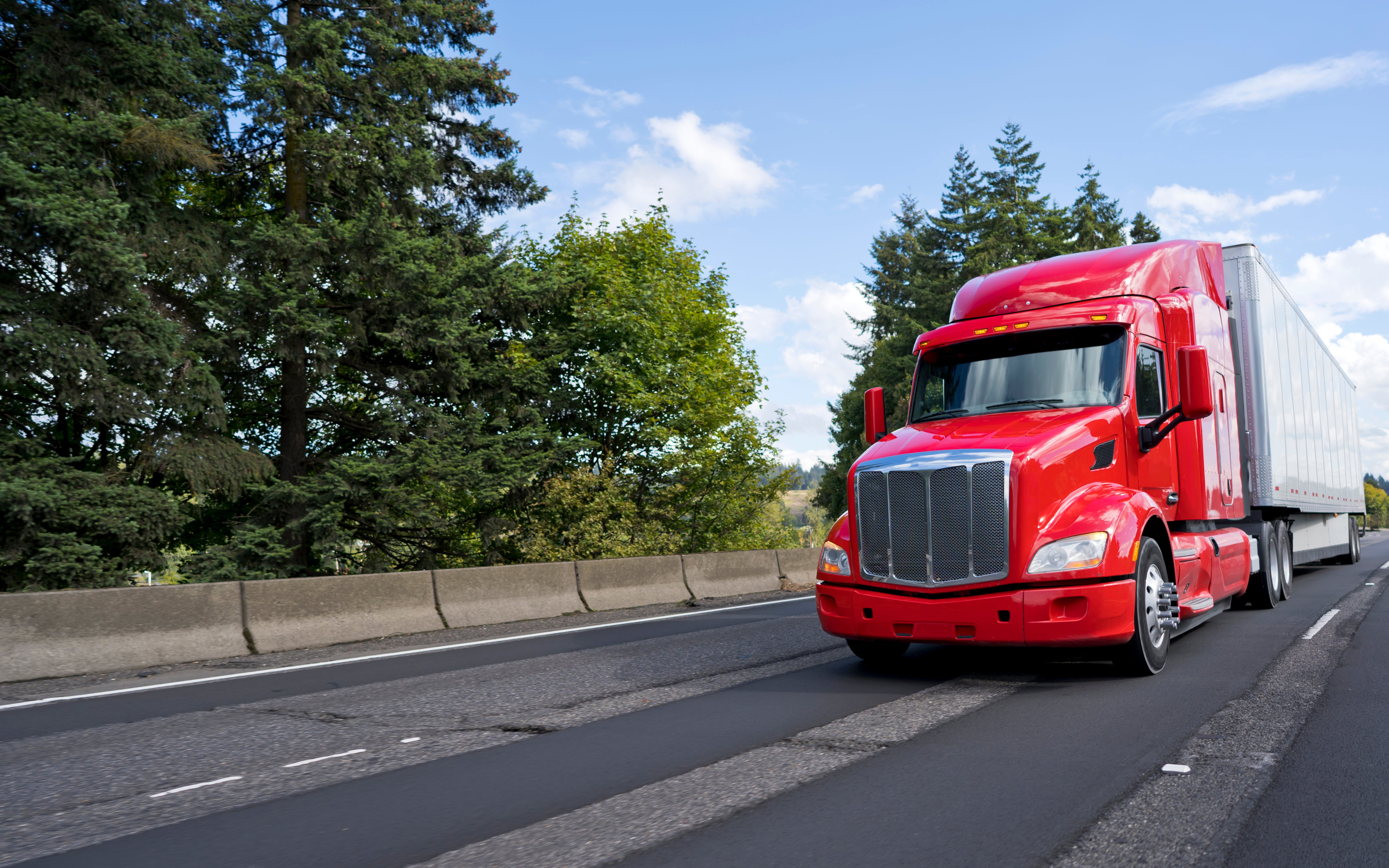
Discover how single-valve dual ride height air-suspension systems reduce downtime, lower total cost of ownership, and improve safety for heavy-duty trucks, trailers, and off-road vehicles.
Why Ride Height Matters More Than Ever
In the demanding world of vocational vehicles—heavy‑duty trucks, lowboy trailers, off‑road haulers, and lift‑axle configurations—ground clearance is more than an engineering detail. It’s a productivity, cost‑savings, and vehicle‑protection imperative. These vehicles routinely operate on uneven, unpaved, and obstacle‑filled terrain, often while carrying heavy loads. Without proper ride height control, operators risk chassis damage, tire wear, downtime, and expensive repairs.
For years, fleets relied on multi‑valve air‑suspension systems to raise and lower vehicle height on demand. But as operational efficiency becomes a competitive advantage, a new solution is rising to the forefront: the single‑valve dual ride height air‑suspension system.
This streamlined approach is rapidly becoming the preferred technology for OEMs and fleet operators seeking simpler installations, reduced maintenance, lower cost of ownership, and improved reliability.
The Pain Points: Common Challenges in Heavy-Duty Trucks Vehicle Operation
Vocational vehicles face unique terrain conditions that directly impact their undercarriage, axles, and tires. The need for adjustable ground clearance appears in several real‑world scenarios:
1. Lift Axle Trucks and Trailers
When a lift axle is raised—typically when the vehicle is unloaded—the remaining ground clearance may be too small. Tires can skim or hit the road surface at high speed, leading to:
- Accelerated tire wear
- Heat damage
- Costly premature replacements
2. Lowboy Trailers
Used to haul heavy equipment, lowboys require low deck height by design. But this creates a risk of:
- Bottoming out on uneven terrain
- Damage to the chassis or trailer underside
- Operational delays due to frame deflection and shifting ride height
3. Off‑Road Vocational Trucks
Mining, construction, forestry, and utility vehicles often face steep grades and obstacles. Without the ability to temporarily increase chassis height, these trucks risk striking:
- Rocks
- Ridges
- Debris
- Hillcrests
4. High‑Centering
High‑centering occurs when a vehicle’s midpoint contacts the ground while crossing a hillcrest. This can:
- Immobilize the vehicle
- Damage the frame or underbody
- Delay transport
- Require winching or recovery equipment
All these challenges have one thing in common: they are solved by reliable, responsive control over suspension height.
Traditional Multi‑Valve Air‑Suspension: Effective but Inefficient
Historically, dual ride height suspension systems required two or more valves plus additional plumbing and hardware. While these systems worked, they introduced major drawbacks:
- More components = higher material and installation cost
- Longer plumbing runs = more potential leak paths
- Complex troubleshooting = more downtime
- Slower and more expensive repairs
- Higher lifetime maintenance costs
- Extra brackets, linkages, tubing, and fittings
As OEMs and fleet managers aim to reduce total cost of ownership, a simpler solution has become essential.
The Innovation: A Single Valve That Controls Dual Ride Heights
Modern engineering has enabled a more elegant solution: a single valve capable of providing two ride heights. This innovation dramatically reduces system complexity while retaining full functionality.
How Single‑Valve Air‑Suspension Works
A specialized valve with an internal switching mechanism responds to a driver‑activated pilot signal. When triggered, it selects between:
- Primary ride height (standard driving height)
- Secondary ride height (additional ground clearance)
The second ride height—typically 1 to 4 inches—is factory‑configured based on vehicle application, giving OEMs and fleets tremendous flexibility without complicating installation.
Mechanical vs. Electronic Control
Single‑valve systems typically come in two versions:
- Mechanically controlled valves
- Best for durability
- Drop‑in replacements
- Simplest installation
- Lowest long‑term cost
- Electronically controlled valves
- Offer additional configuration options
- Ideal for advanced system integrations
But for most vocational fleets, mechanical systems deliver the best blend of simplicity and reliability.
The Benefits: Why Fleets Are Switching to Single‑Valve Systems
The advantages of a single‑valve dual ride height system are substantial:
1. Lower Total Cost of Ownership
Fewer components mean:
- Lower upfront installation cost
- Lower maintenance expense
- Reduced replacement part needs
2. Faster and Easier Installation
With fewer valves, brackets, fittings, and hoses, installation becomes more efficient for OEMs and upfitters.
3. Higher System Reliability
Less plumbing = fewer leaks.
Fewer moving parts = fewer failures.
4. Reduced Downtime
Technicians can diagnose and fix issues more quickly, keeping vehicles productive.
5. Seamless Integration
Mechanical single‑valve systems often work as drop‑in replacements, requiring no major system redesign.
6. Improved Performance in Real‑World Applications
Lift axle tires stay protected
- Lowboy trailers gain safe obstacle clearance
- Off‑road trucks gain essential flexibility
- High‑centering incidents decrease dramatically
Where Single‑Valve Systems Make the Biggest Impact
Single‑valve dual ride height systems shine in the most demanding vocational applications:
- Lift axle trucks: protecting raised tires
- Lowboy trailers: navigating uneven terrain safely
- Off‑road vocational trucks: avoiding chassis impacts
- Construction and mining fleets: handling changing terrain
- Municipal and utility vehicles: operating across mixed surfaces
Whether the goal is reducing tire wear, protecting expensive assets, or preventing downtime, the single‑valve approach delivers measurable improvements.
The Future of Heavy-Duty Trucks Vehicle Suspension
As the industry continues pushing for efficiency, reliability, and cost savings, the shift toward single‑valve air‑suspension systems is accelerating. This technology retains all the benefits of traditional multi‑valve setups while eliminating unnecessary complexity.
OEMs gain streamlined design and faster manufacturing.
Fleets enjoy reduced maintenance and greater uptime.
Operators benefit from safer, more predictable vehicle performance.
And leading this innovation is Barksdale, whose advanced Air Suspension Valves (ASV)—including single‑valve dual ride height solutions—are redefining what’s possible in ride height control. These valves deliver a simpler, more robust, and more cost‑effective approach for OEMs and end users alike.
Ultimately, the single‑valve dual ride height system isn’t just an upgrade—it represents the future of air‑suspension for vocational vehicles and trailers, with Barksdale setting the industry standard.